Connecting industrial buyers with established bitumen trading companies worldwide. Facilitating bulk procurement, export logistics, tanker shipping, and infrastructure supply chains across global markets.
The international bitumen trade operates as a sophisticated commodity network connecting refineries, logistics providers, and industrial buyers across continents. Understanding this market structure is essential for effective procurement and supply chain management.
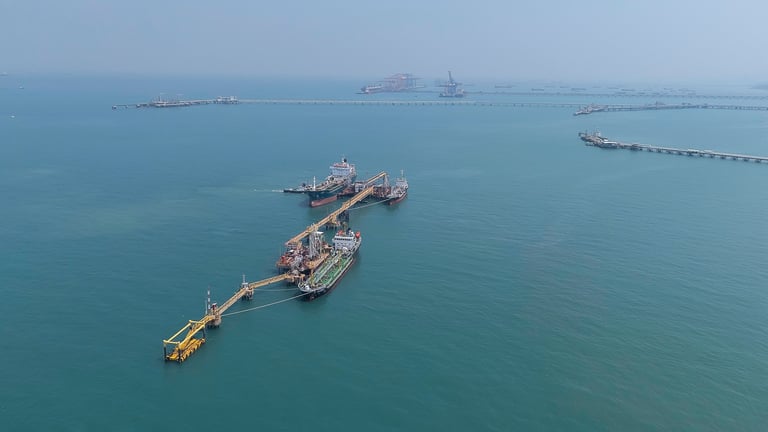
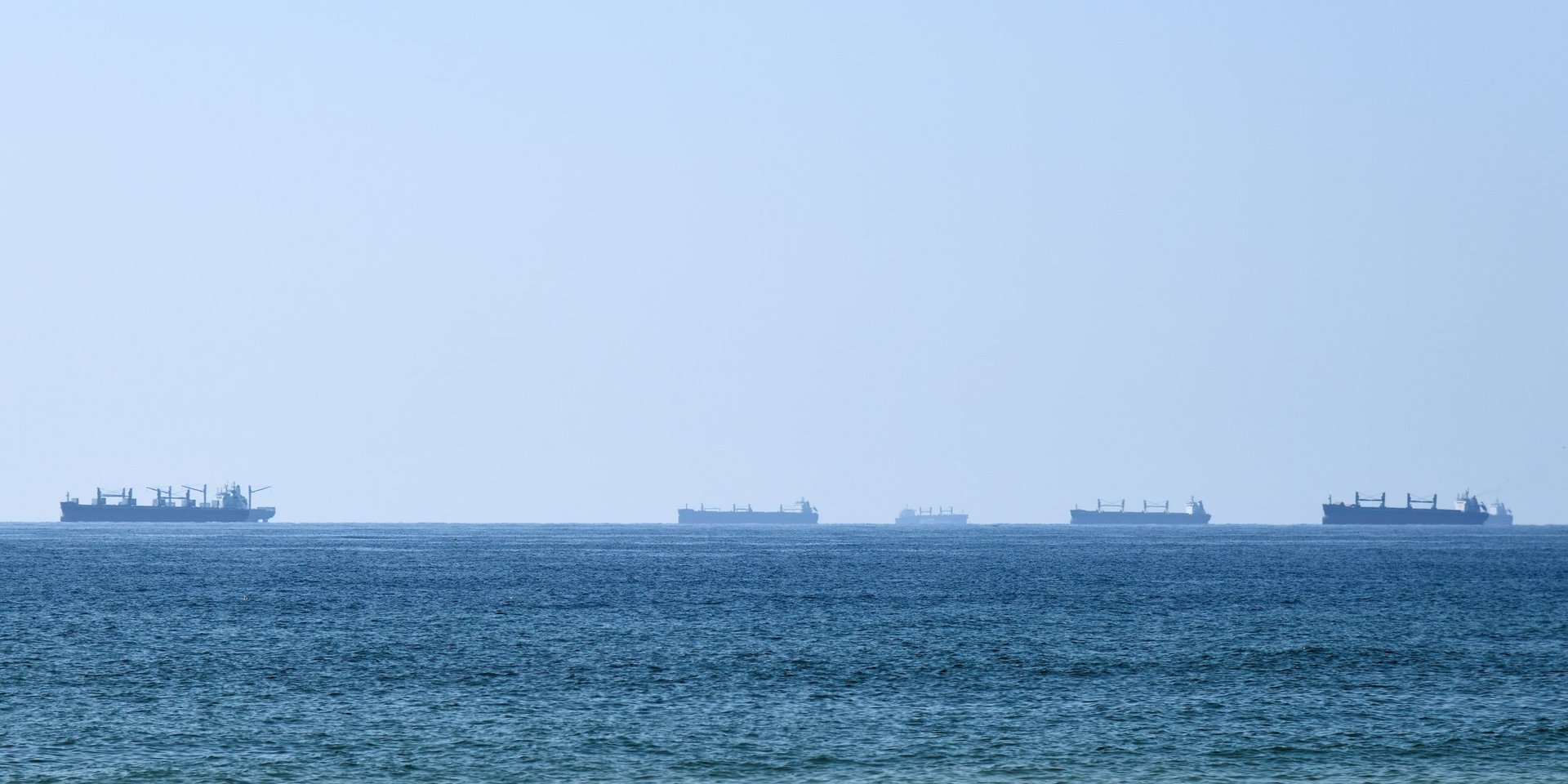
Global bitumen trade flows through established maritime routes connecting refiners in the Gulf region with infrastructure markets across Asia, Africa, and beyond. Tanker shipping forms the backbone of bulk commodity movement.
Explore Trade FlowGrowing infrastructure development across emerging markets drives sustained demand for bitumen procurement. Highway construction, airport paving, and industrial projects fuel continuous market activity.
View Market AnalysisBitumen procurement networks involve coordinated logistics from refinery storage terminals to destination ports. Professional traders manage documentation, quality certification, and customs procedures.
Bulk Supply OptionsBitumen sourced from approved refineries with quality certifications meeting international standards.
Third-party inspection and laboratory testing verify specifications before shipment.
Tanker charter, port operations, and documentation handling managed professionally.
Destination port delivery with customs clearance and quality documentation handover.
The bitumen trading ecosystem encompasses diverse company types, each serving specific functions in the supply chain from refinery to end user. Understanding these categories helps buyers select appropriate partners for their procurement needs.
Export trading companies specialize in international delivery, managing cross-border documentation, customs procedures, and maritime logistics for bitumen shipments to global markets.
Learn MoreDistribution networks operate within specific regions, maintaining inventory, providing technical support, and supplying bitumen to contractors, asphalt plants, and infrastructure projects.
Learn MoreWholesale bitumen companies handle large-volume transactions, offering competitive pricing for infrastructure projects, government contracts, and industrial buyers requiring sustained supply.
Learn MoreProject-oriented suppliers focus on highway construction, airport paving, and major infrastructure developments, providing comprehensive bitumen solutions for large-scale projects.
Learn MoreCommodity trading firms specialize in price negotiation, contract management, and arbitrage opportunities across different markets and delivery periods.
Request QuoteProcurement companies represent buyer interests, sourcing optimal bitumen supplies, managing vendor relationships, and ensuring quality compliance for industrial buyers.
Get SupportInternational bitumen trade centers on standardized grades that meet global engineering specifications. Each grade serves specific applications in road construction, industrial waterproofing, and infrastructure development.
60/70, 80/100, 40/50 most traded internationally for asphalt paving applications
VG-10, VG-20, VG-30, VG-40 for temperature-specific highway applications
PMB-40, PMB-70, PMB-120 for high-performance infrastructure projects
RS-1, RS-2, MC-70, MC-30 for specialized road maintenance applications
Professional bitumen traders maintain relationships with refineries producing multiple grades. Grade selection depends on destination climate, application requirements, and project specifications.
Efficient logistics form the backbone of international bitumen trading. Professional traders coordinate multi-modal transport, storage facilities, and port operations to deliver bulk commodities reliably across global markets.
Heated vessel tankers for bulk liquid bitumen, typically 500-3000 MT parcels, ideal for large infrastructure projects requiring sustained supply.
Learn MoreSteel drums (150-200 kg) for smaller quantities, containerized shipping, suitable for remote project sites without bulk storage facilities.
Learn MoreFlexible intermediate bulk containers (1-1.5 MT) offering cost-effective containerized transport for medium-scale procurement requirements.
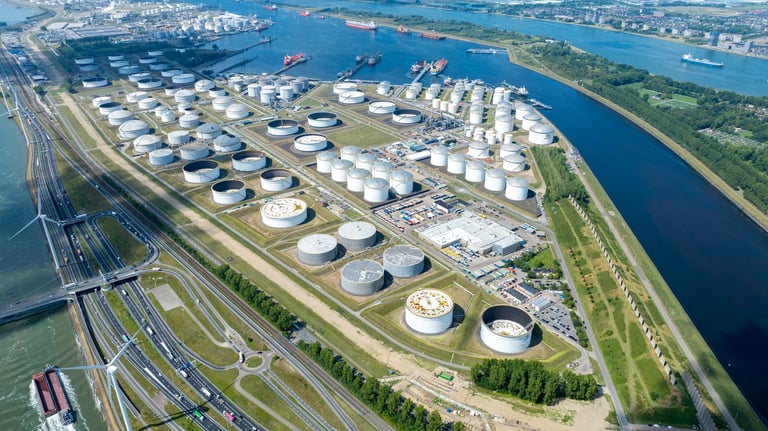
Learn MoreBitumen traders utilize heated storage terminals at origin and destination ports. Temperature-controlled tanks prevent solidification and maintain product quality throughout the supply chain.
Explore Storage OptionsHeated road tankers for inland delivery from ports to project sites, asphalt plants, and distribution centers. Ensures bitumen remains fluid during transit.
Explore Shipping OptionsUnderstanding pricing structures and delivery terms is essential for effective bitumen procurement. Professional traders provide transparent pricing with flexible commercial arrangements for infrastructure projects.
FOB terms include product cost and delivery to vessel at origin port. Buyer arranges shipping, insurance, and handles destination procedures. Preferred by experienced importers with established logistics networks.
CIF terms include product cost, marine insurance, and freight to destination port. Traders manage shipping logistics, simplifying procurement for buyers without maritime expertise.
Shipping costs vary by route, vessel size, and fuel prices. Tanker availability affects seasonal pricing.
Spot transactions, quarterly contracts, and annual agreements available based on volume and relationship.
Crude oil prices, refinery output, and infrastructure demand influence bitumen pricing structures.
Global bitumen trade flows across established corridors connecting production regions with infrastructure growth markets. Understanding these trade patterns helps buyers optimize procurement strategies.
India, Indonesia, Vietnam, Malaysia driving highest regional demand for infrastructure development.
Kenya, Nigeria, Ethiopia expanding road networks with significant bitumen import requirements.
GCC infrastructure projects and regional road construction fueling sustained demand.
Pakistan, Bangladesh, Sri Lanka infrastructure corridors driving import growth.
Traders maintain established supplier relationships across multiple producing regions, ensuring consistent supply and competitive pricing for global buyers.
Bitumen traders serve diverse industrial sectors with specialized procurement needs. Understanding your industry's bitumen requirements helps streamline supplier selection and contract negotiations.
Highway agencies, municipal governments, and construction contractors requiring bitumen for asphalt paving, road maintenance, and infrastructure projects.
Learn MoreAviation authorities and airfield contractors requiring polymer-modified bitumen for runway, taxiway, and apron construction with heavy-load specifications.
Learn MoreHot mix and warm mix asphalt producers requiring consistent bitumen supply for commercial paving operations and precast asphalt products.
Learn MoreGeneral contractors undertaking highways, bridges, tunnels, and large-scale infrastructure requiring dedicated bitumen procurement channels.
Learn MoreRoofing contractors, waterproofing companies, and industrial applicators requiring oxidized bitumen for membrane systems and protection layers.
Learn MorePublic works departments, maintenance contractors, and facility managers requiring emulsion products for surface treatments and pavement preservation.
Learn MoreWhether you represent a government road agency, construction contractor, or industrial buyer, our trading network connects you with verified suppliers for your bitumen procurement needs.
Connect with our trading desk for bulk bitumen procurement. Our team coordinates export logistics, freight arrangements, and delivery schedules for infrastructure projects worldwide.
Complete export documentation, certificates of origin, quality reports, and customs clearance assistance.
Tanker charter coordination, port operations, and inland delivery logistics for complete supply chain management.
Technical guidance on grade selection, specification compliance, and contract terms for optimal procurement.
Pricing analysis, market updates, and competitive quotations for informed procurement decisions.
Understanding bitumen trading operations helps buyers make informed procurement decisions. Here are common questions from industrial buyers and infrastructure professionals.
Bitumen traders act as intermediaries between refineries and end buyers, coordinating procurement, logistics, documentation, and delivery. They manage relationships with multiple suppliers, arrange tanker shipping, handle export documentation, and ensure quality compliance. Traders provide market intelligence, competitive pricing, and supply chain expertise that helps buyers optimize procurement costs and logistics efficiency.
Penetration grade bitumen 60/70 and 80/100 represent the highest trading volumes globally. These grades serve most road construction applications and are produced by refineries across multiple regions. Viscosity grades VG-30 and VG-40 are popular in temperature-variable markets. Polymer modified bitumen (PMB-40, PMB-70) commands premium pricing for high-performance applications. Bitumen emulsions like RS-1, RS-2, and SS-1H serve specialized maintenance applications.
Yes, established bitumen traders coordinate complete tanker shipping operations. This includes vessel charter, port bookings, heating arrangements, and marine insurance. Tanker shipping is the most cost-effective method for bulk bitumen transport, with typical parcel sizes ranging from 500 to 3,000 metric tons. Traders manage all maritime logistics, ensuring heated storage maintains bitumen fluidity throughout transit.
Traders focus on international procurement, logistics coordination, and contract management across multiple markets. They source from various refineries and arrange global delivery. Wholesalers typically operate within specific regions, maintaining inventory and providing faster local delivery. Wholesalers serve smaller buyers and contractors requiring immediate supply, while traders serve large infrastructure projects requiring sustained bulk procurement over extended periods.
FOB (Free On Board) and CIF (Cost Insurance Freight) are the primary commercial terms. FOB places shipping responsibility on the buyer after goods pass the vessel rail at origin port. CIF includes product cost, insurance, and freight to destination port, with traders managing maritime logistics. CFR and DAP provide alternative arrangements for buyers with specific logistics preferences. Contract terms range from spot transactions to quarterly or annual supply agreements.
Yes, CIF supply is widely available from established bitumen traders. CIF terms simplify procurement for buyers by including product cost, marine insurance, and freight charges in a single quotation. Traders handle all shipping arrangements, documentation, and customs procedures. This arrangement suits buyers without maritime logistics expertise or established shipping relationships, providing predictable total landed costs for budget planning.
Still have questions about bitumen trading?
Contact Our Trading Desk