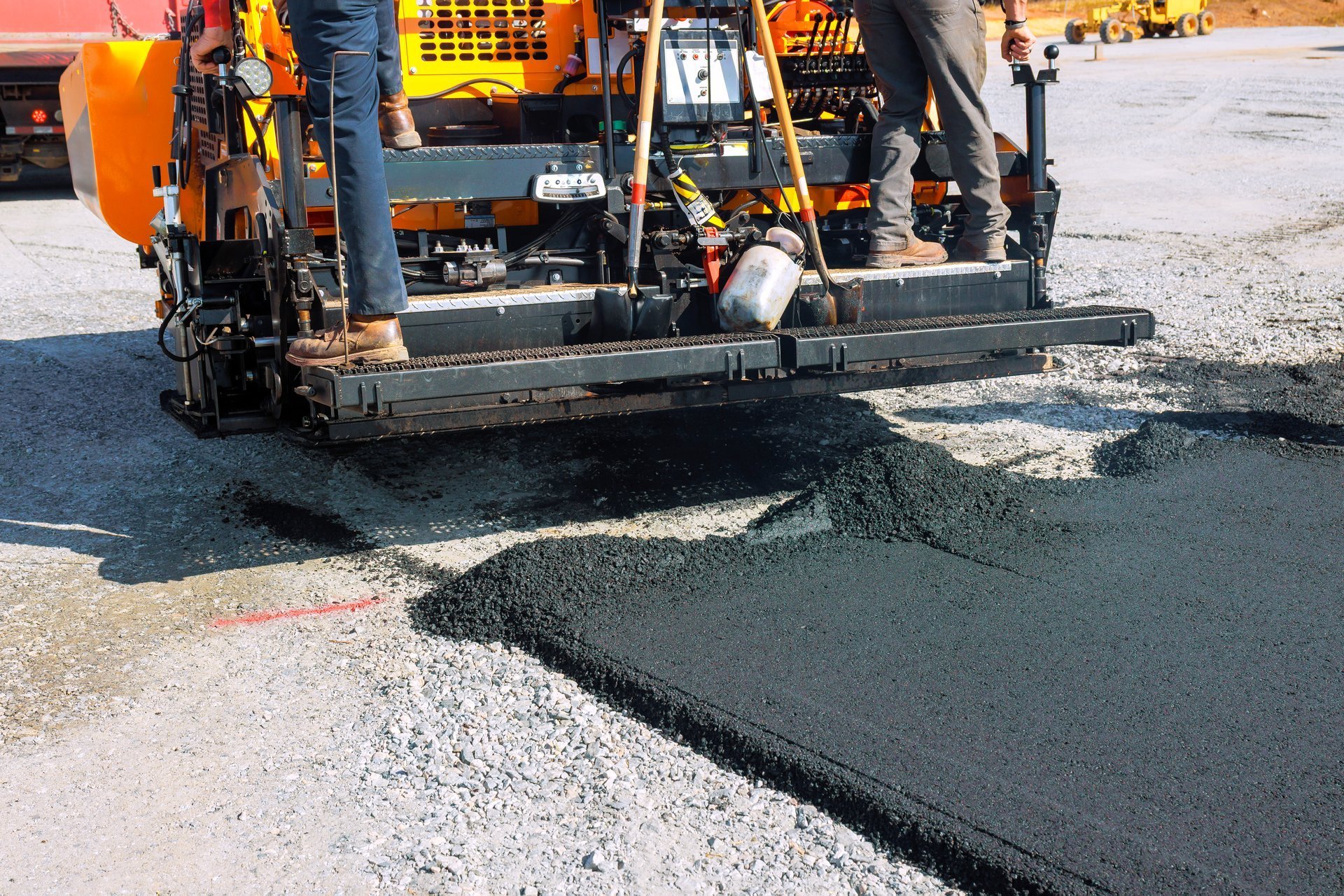
Industrial asphalt plant with mixing machinery and production equipment
Asphalt Production Hub

Bitumen for Asphalt Production Industrial Paving Manufacturing Applications

Explore bitumen applications in asphalt production, industrial manufacturing, and paving material supply. From asphalt plants to road construction, access comprehensive procurement solutions for industrial infrastructure projects.

Asphalt Plants
Industrial Mixing
Bulk Supply
Production Grade
Tanker Delivery
24/7 Support
50+
Countries Worldwide
Multiple
Production Grades
Tanker
Bulk Delivery
24/7
Production Support

Manufacturing Basics

What is Bitumen in Asphalt Production

Bitumen is the critical binder component in asphalt production, creating the cohesive material that forms durable pavement surfaces. Understanding its role helps asphalt plant operators optimize manufacturing processes and product quality.

Asphalt Binder

Bitumen acts as the binding agent holding aggregate particles together in asphalt mixtures, creating a cohesive pavement material with superior structural performance.

Temperature Sensitivity

Bitumen viscosity changes with temperature, requiring careful heating control in asphalt plants for proper coating of aggregates during mixing.

Flexible Pavement

As a flexible pavement component, bitumen allows asphalt to distribute loads efficiently while accommodating temperature-induced expansion and contraction.

Production Control

Precise bitumen content control in asphalt production ensures optimal mixture performance, durability, and cost-effectiveness.

Industrial asphalt production facility with mixing machinery and conveyor systems
Industrial Grade
Asphalt Production

Structural Integrity

Bitumen content affects pavement load-bearing capacity and structural performance.

Durability

Quality bitumen extends pavement service life with proper maintenance schedules.

Performance

Appropriate grade selection ensures resistance to rutting, cracking, and aging.

Plant Operations

How Asphalt Plants Use Bitumen

Asphalt plants are industrial facilities that combine bitumen with aggregates to produce asphalt mixtures. Understanding plant operations helps buyers coordinate supply and production schedules effectively.

Batch Plants

Batch plants produce asphalt in discrete batches, allowing precise control over mix proportions and ideal for specialized mixtures.

Learn About Storage

Drum Plants

Drum plants feature continuous mixing for high-volume production of standard asphalt mixtures at lower operating costs.

View Bulk Supply

Heated Storage

Insulated storage tanks maintain bitumen at required temperatures, ensuring consistent production quality.

Tanker Shipping

Tanker Unloading

Direct tanker-to-tank transfer systems enable efficient bulk unloading without intermediate handling.

Shipping Options

Quality Control

Laboratory testing ensures bitumen meets specifications for each production batch.

Applications Guide

Production Continuity

Reliable bitumen supply ensures uninterrupted production schedules for road construction projects.

Request Supply

Asphalt Plant Supply Chain

Modern asphalt plants require consistent bitumen supply for continuous production. Tanker deliveries from bulk terminals ensure plants maintain optimal inventory levels for uninterrupted operations.

Dedicated tanker delivery schedules
Heated storage tank facilities
Quality documentation and certification
Industrial asphalt plant with storage tanks and production equipment
Product Selection

Types of Bitumen Used in Asphalt Manufacturing

Asphalt manufacturers select bitumen grades based on climate conditions, traffic requirements, and pavement layer specifications. Understanding grade options helps plant operators optimize production.

Penetration Grades

Most widely used for standard asphalt production. Classified by penetration depth at 25C.

40/50 60/70 80/100
View Specifications

Viscosity Grade (VG)

Temperature-specific grades based on viscosity at 60C for varying climate conditions.

VG-10 VG-30 VG-40
View Specifications

Polymer Modified (PMB)

Enhanced elasticity and durability for heavy-traffic and airport pavements.

PMB-40 PMB-70
View Specifications

Bitumen Emulsions

Water-based emulsions for surface treatments and cold weather applications.

RS-2 CRS-1
View Specifications

Cutback Bitumen

Solvent-based products for prime coats and cold weather paving applications.

MC-30 MC-70
View Specifications

Hard Grades

Specialized grades for heavy-duty industrial pavements and hot climate conditions.

30/40
View Specifications

Grade Selection for Asphalt Plants

Professional grade selection depends on climate, traffic, and pavement layer requirements. Asphalt plant operators should consult with engineering specialists for optimal production.

Hot Climate

Harder grades (40/50, VG-40) resist softening

Cold Climate

Softer grades (80/100, VG-10) resist thermal cracking

Heavy Traffic

PMB grades provide superior rutting resistance

Production Process

Asphalt Mixing and Industrial Production Process

Understanding the asphalt mixing process helps asphalt plant operators optimize bitumen usage and production efficiency for consistent quality output.

Asphalt mixing plant industrial equipment and production machinery

Industrial Mixing Workflow

1

Aggregate Drying

Aggregates are dried and heated in a drum dryer to remove moisture and achieve temperatures between 150-180C for proper bitumen coating.

2

Aggregate Screening

Dried aggregates are screened into size fractions and stored in hot bins for precise proportioning in the mixing process.

3

Bitumen Heating

Bitumen is heated in storage tanks to 150-180C to achieve proper viscosity for efficient coating of aggregate particles.

4

Mixing

Heated aggregates are combined with hot bitumen in a mixing chamber, typically for 30-60 seconds to ensure complete coating.

5

Storage and Dispatch

Mixed asphalt is stored in insulated silos or loaded directly into trucks for transport to construction sites.

Temperature Control

Critical for achieving proper coating and workability.

Mix Design

Marshall or Superpave methods for optimal performance.

Quality Testing

Volumetric analysis and performance verification.

Production Rate

Batch plants: 100-400 tph, Drum plants: up to 600 tph.

Supply Chain

Bulk Bitumen Supply for Asphalt Plants

Asphalt plants require reliable bulk bitumen supply with consistent quality and delivery schedules. Understanding supply options helps plant operators plan production efficiently.

Tanker Supply

Direct heated vessel delivery to plant storage tanks, ideal for high-volume production facilities.

Learn More

Drum Delivery

Steel drums for smaller plants or backup supply when bulk delivery is unavailable.

Learn More

Jumbo Bags

Containerized flexible intermediate bulk containers for transport flexibility.

Learn More

Plant Storage Requirements

Asphalt plants require adequate storage capacity for continuous production. Tank sizing depends on production capacity, delivery frequency, and inventory buffer requirements.

Insulated storage tanks (100-500 MT capacity)
Heating systems for temperature maintenance
Direct tanker unloading connections
Storage Guide

Production Continuity

Reliable bitumen supply ensures uninterrupted plant operations. Establishing supply agreements with buffer inventory prevents production delays.

Dedicated delivery schedules
Quality certification for each delivery
Technical support and specification compliance
View Bulk Supply
Performance Factors

Bitumen Performance in Asphalt Production

Bitumen performance characteristics directly impact asphalt mixture quality and pavement durability. Understanding these properties helps asphalt manufacturers optimize production.

Durability

Resistance to aging, oxidation, and environmental degradation ensures long pavement service life.

View VG Grades

Flexibility

Elastic properties accommodate traffic loads and temperature variations without cracking.

View VG-30

Climate Resistance

Grade selection ensures performance across temperature ranges from hot deserts to cold regions.

View 80/100

Traffic Performance

Rutting and fatigue resistance for heavy-traffic applications including highways and airports.

View PMB-70

Pavement Lifespan Optimization

Selecting appropriate bitumen grades for specific applications and climates extends pavement service life while reducing maintenance requirements. Asphalt manufacturers should consider traffic patterns, climate conditions, and pavement structure when recommending products.

Reduced rutting with polymer modification
Thermal cracking resistance in cold climates
Extended pavement service life
Durable asphalt road surface with smooth pavement finish
Performance Optimized
End Applications

Industries Using Asphalt Production Materials

Asphalt plants serve diverse infrastructure sectors. Understanding end-use applications helps manufacturers align production with market demand.

Highway Construction

National highways, expressways, and intercontinental transportation corridors requiring high-volume production.

View Applications

Airport Pavements

Runways, taxiways, and aprons requiring polymer-modified bitumen for heavy aircraft loads.

View PMB Grades

Urban Roads

City streets, municipal roads, and urban development requiring ongoing maintenance supply.

View Contractors

Industrial Zones

Factory access roads, warehouse yards, and heavy machinery circulation areas.

View Contractors

Port Facilities

Container yards, port access roads, and cargo handling areas requiring durable surfaces.

View Trade Flow

Bridge Decks

Bridge deck waterproofing and surfacing requiring specialized membrane systems.

View Asphalt Companies

Ready to Source Bitumen for Your Asphalt Plant?

Whether you operate a batch plant, drum plant, or mobile facility, our supply network provides reliable bitumen for continuous asphalt production.

Commercial Terms

Bitumen Pricing and Procurement for Asphalt Plants

Understanding pricing structures and delivery terms helps asphalt plant operators plan production costs effectively. Professional suppliers provide transparent quotations with flexible commercial arrangements.

FOB Pricing

Free On Board

FOB terms include product cost and delivery to vessel at origin port. Asphalt plants with established logistics networks arrange their own shipping and inland transport.

Buyer controls shipping arrangements
Flexible shipment scheduling
Lower total cost for experienced importers
View FOB Pricing

CIF Pricing

Cost Insurance Freight

CIF terms include product cost, marine insurance, and freight to destination port. Suppliers manage all shipping logistics, simplifying procurement.

Supplier handles all shipping logistics
Insurance coverage included
Simplified plant procurement
View CIF Pricing

Logistics Costs

Shipping, port handling, customs clearance, and inland transport affect total landed cost.

Supply Contracts

Spot transactions, quarterly contracts, and annual agreements based on plant volume.

Market Factors

Crude oil prices, refinery output, and infrastructure demand influence bitumen pricing.

Industrial asphalt production facility with mixing equipment and storage tanks
Request Quotation

Request Bitumen Supply for Asphalt Production

Connect with our asphalt production support team for bulk bitumen procurement. We coordinate supply logistics, delivery scheduling, and production support for asphalt plants worldwide.

Production Support

Grade Consultation

Technical guidance on grade selection for plant operations and climate conditions.

Logistics Coordination

Delivery Planning

Tanker coordination, port operations, and plant delivery logistics for continuous production.

Supply Agreements

Contract Terms

Flexible contract arrangements including spot supply, quarterly pricing, and annual plant agreements.

Export Assistance

Documentation Support

Complete export documentation, quality certifications, and customs clearance assistance.

Contact via WhatsApp
Knowledge Base

Frequently Asked Questions About Bitumen for Asphalt Production

Understanding bitumen in asphalt production helps plant operators optimize manufacturing processes. Here are common questions from asphalt professionals.

Still have questions about bitumen for your asphalt production?

Contact Production Support