Explore how bitumen powers highway construction, asphalt paving, and transportation infrastructure projects. From penetration grades to polymer-modified binders, understand industrial applications for infrastructure development.
Bitumen is the binding agent in asphalt mixtures, creating durable pavement surfaces for highways, airports, and industrial roads. Understanding its role helps engineers select appropriate grades for project requirements.
Bitumen acts as the binder holding aggregate particles together in asphalt mixtures, creating a cohesive pavement material with superior performance characteristics.
Bitumen provides excellent waterproofing properties, protecting the underlying road structure from water damage and extends pavement service life.
As a flexible pavement material, bitumen accommodates traffic loads through elastic deformation, distributing stress across the pavement structure.
Bitumen mixtures form the wearing surface providing traction, noise reduction, and driving comfort for transportation infrastructure.
Maintains stability in extreme heat while remaining flexible in cold conditions.
Withstands heavy traffic loads without excessive deformation or cracking.
Extended service life with proper maintenance and quality materials.
Bitumen offers unique properties that make it the preferred choice for pavement construction worldwide. Understanding these benefits helps engineers optimize pavement design for specific project requirements.
Bitumen accommodates subgrade movement and temperature fluctuations without cracking, providing durable flexible pavement surfaces.
Learn About VG GradesImpermeable bitumen layers prevent water infiltration, protecting base and subbase courses from moisture damage.
View ApplicationsBitumen distributes traffic loads efficiently across pavement layers, reducing stress on underlying materials.
Explore PMB OptionsStrong bonding properties ensure aggregate particles remain cohesive under traffic stress and environmental conditions.
View Penetration GradesBitumen can be heated and mixed with aggregates at controlled temperatures for efficient pavement construction.
Asphalt Production GuideAsphalt mixtures containing bitumen can be recycled, reducing construction costs and environmental impact.
Source MaterialsModern pavement design relies on bitumen to provide the elastic response needed for flexible pavement performance. The viscoelastic nature of bitumen allows pavements to resist rutting at high temperatures while preventing thermal cracking in cold conditions.
Selecting the appropriate bitumen grade is critical for pavement performance. Different grades offer specific properties suited to climate conditions, traffic loads, and pavement layer requirements.
Most widely used for highway construction. Classified by penetration depth at 25C.
Temperature-specific grades based on viscosity at 60C for varying climate conditions.
Enhanced elasticity and durability for heavy-traffic and airport pavements.
Water-based emulsions for surface treatments, tack coats, and cold weather applications.
Solvent-based products for prime coats and cold weather paving applications.
Specialized grades for heavy-duty industrial pavements and hot climate conditions.
Professional grade selection depends on climate, traffic, and pavement layer requirements. Consult with engineering specialists for optimal performance.
Harder grades (40/50, VG-40) resist softening
Softer grades (80/100, VG-10) resist thermal cracking
PMB grades provide superior rutting resistance
Understanding how bitumen becomes asphalt helps engineers optimize procurement and logistics for road construction projects.
Aggregates are dried and heated to remove moisture and achieve the temperature required for coating with bitumen.
Bitumen is heated to approximately 150-180C in storage tanks to achieve the proper viscosity for mixing.
Heated aggregates are combined with hot bitumen in a drum mixer or batch plant to create homogeneous asphalt mixtures.
Mixed asphalt is transported in insulated trucks to maintain temperature until placement on the roadbed.
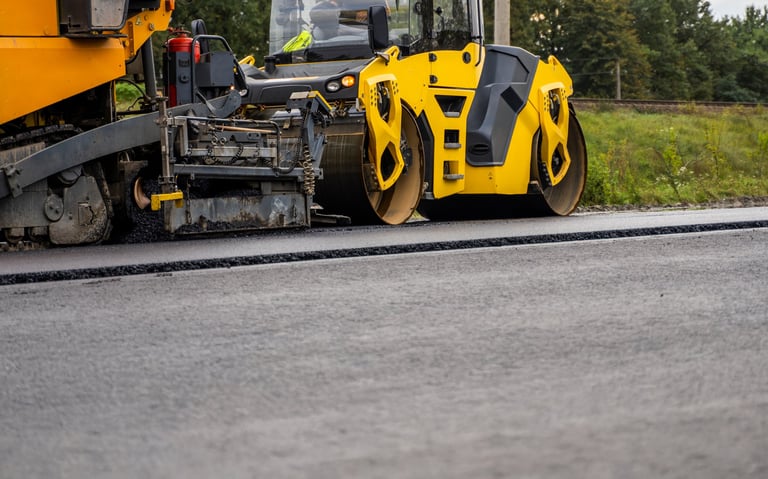
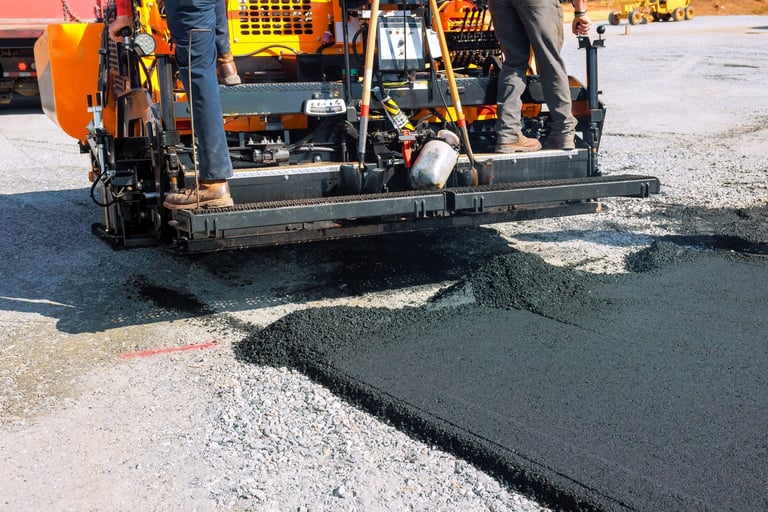
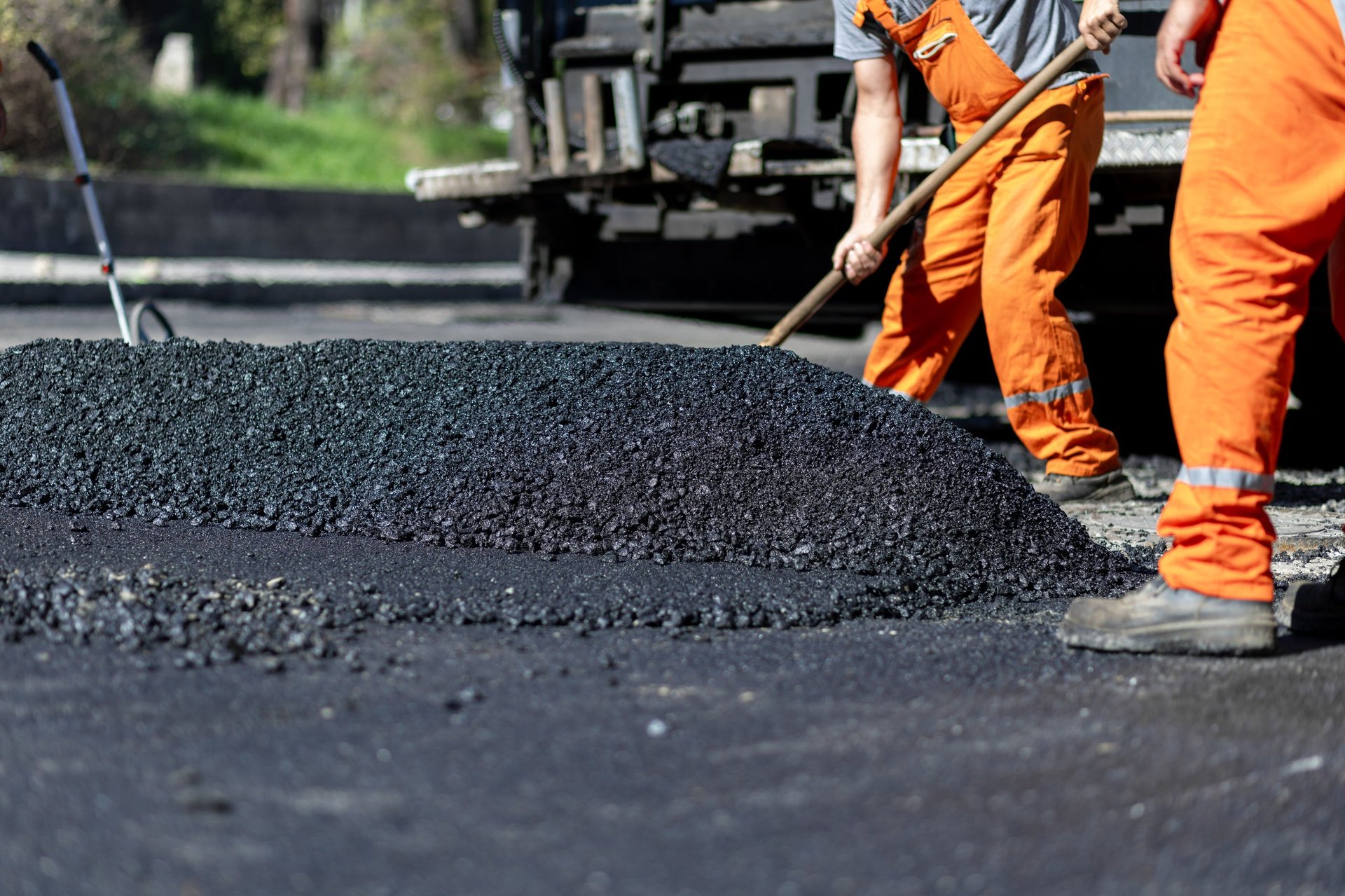
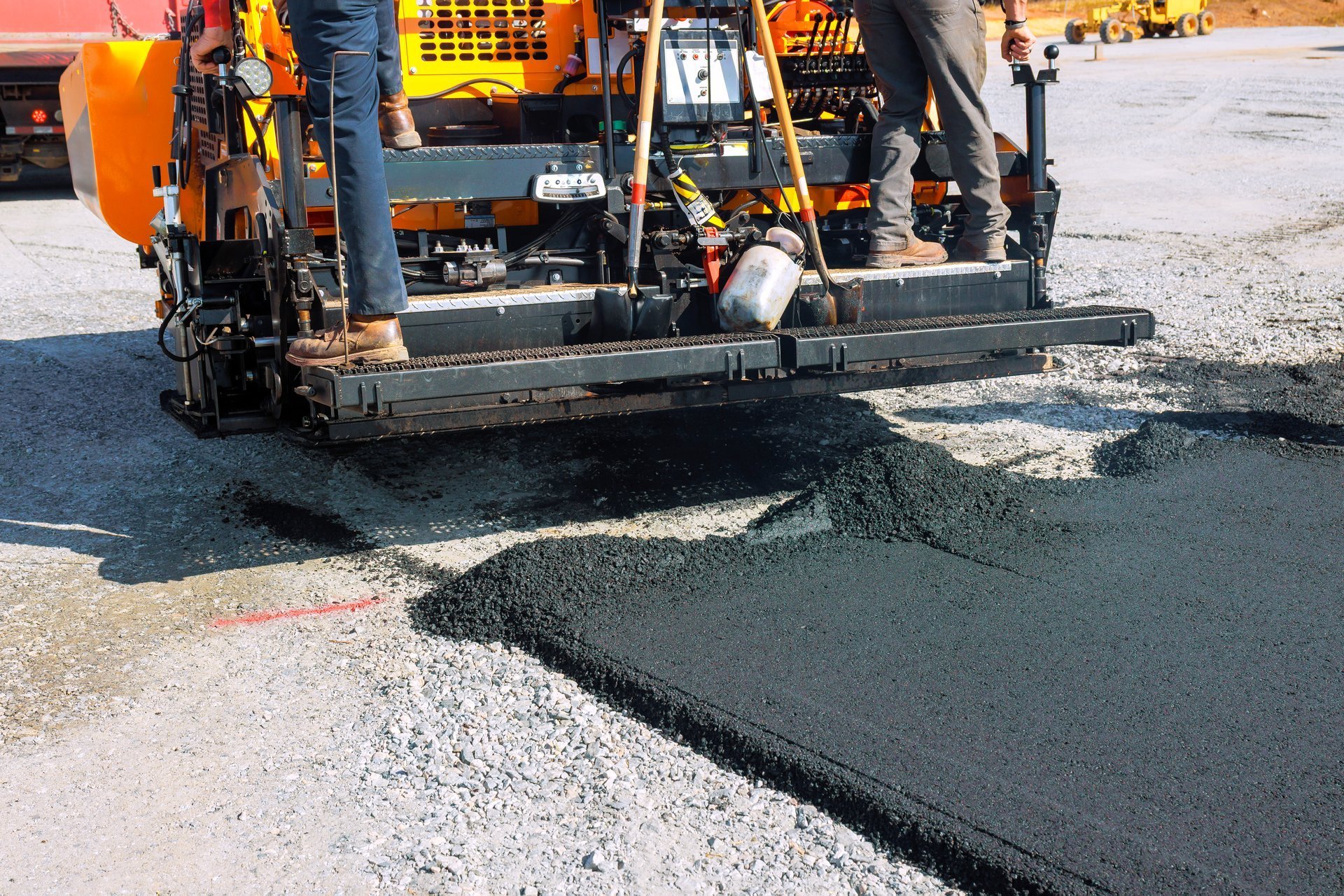
Asphalt is laid by paving machines and compacted with rollers to achieve the required density and smoothness.
Precise control of mix proportions for specialized asphalt mixtures.
Continuous mixing for high-volume production of standard mixtures.
Critical for achieving proper coating and compaction characteristics.
Marshall test, Gyratory compactor, and volumetric analysis.
Road construction projects require reliable bulk bitumen supply with flexible delivery options. Understanding supply methods helps project managers plan logistics efficiently.
Heated vessel tankers for bulk liquid bitumen delivery, typically 500-3000 MT parcels for large road projects.
Learn MoreSteel drums (200 kg) for smaller quantities and projects without bulk storage facilities.
Learn MoreFlexible intermediate bulk containers (1-1.5 MT) for containerized transport to project sites.
Learn MoreDirect supply to hot mix asphalt plants with dedicated tanker delivery schedules ensures continuous production for road construction schedules.
Inland transport coordination from port storage terminals to construction project sites with heated tankers ensures material quality.
Climate conditions significantly impact bitumen performance. Understanding grade selection for specific environments ensures optimal pavement durability and service life.
Middle East, Africa, South Asia require harder grades to resist softening under high temperatures and heavy loads.
View VG-10Tropical regions require superior adhesion and waterproofing properties to prevent moisture damage.
View VG-30Colder regions require softer grades to prevent thermal cracking and maintain flexibility.
View Grade 80/100Variable elevation requires grades that perform across wide temperature ranges.
View PMB-70Selecting the appropriate bitumen grade for climate conditions directly impacts pavement service life and maintenance requirements. Professional grade selection reduces life-cycle costs.
Bitumen supports diverse infrastructure applications beyond highways. Understanding project categories helps buyers identify appropriate materials and specifications.
National highways, expressways, and intercontinental transportation corridors requiring large-scale bitumen procurement.
View CompaniesRunways, taxiways, and aprons requiring polymer-modified bitumen with heavy-load specifications.
View PMB GradesBridge deck waterproofing and surfacing requiring specialized membrane systems.
View ApplicationsFactory access roads, warehouse yards, and heavy machinery circulation areas.
View ContractorsContainer yards, port access roads, and cargo handling areas requiring durable surfaces.
View Trade FlowCity roads, municipal streets, and urban development projects requiring ongoing maintenance supply.
View ContractorsWhether you represent a government agency, construction contractor, or infrastructure developer, our supplier network connects you with quality bitumen for road construction projects.
Understanding pricing structures and delivery terms helps road construction companies plan project budgets effectively. Professional suppliers provide transparent quotations with flexible commercial arrangements.
FOB terms include product cost and delivery to vessel at origin port. Road construction companies with established logistics networks arrange their own shipping.
CIF terms include product cost, marine insurance, and freight to destination port. Suppliers manage all shipping logistics.
Shipping, port handling, customs clearance, and inland transport affect total landed cost.
Spot transactions, quarterly contracts, and annual agreements based on project volume.
Crude oil prices, refinery output, and infrastructure demand influence bitumen pricing.
Connect with our road construction support team for bulk bitumen procurement. We coordinate supply logistics, delivery scheduling, and project support for road construction worldwide.
Technical guidance on grade selection for climate conditions and traffic requirements.
Tanker coordination, port operations, and inland delivery logistics for complete supply chain management.
Flexible contract arrangements including spot supply, quarterly pricing, and annual project agreements.
Complete export documentation, quality certifications, and customs clearance assistance.
Understanding bitumen applications helps road construction professionals make informed decisions. Here are common questions from engineers and project managers.
Bitumen is used in road construction because it acts as an effective binder holding aggregate particles together, provides excellent waterproofing to protect the road structure, offers flexibility to accommodate traffic loads and temperature variations, and creates a smooth, durable driving surface. Its viscoelastic properties make it ideal for flexible pavement design.
Highway construction primarily uses penetration grade bitumen 60/70 and 80/100 for standard applications. Hot climate regions typically require harder grades like 40/50, while viscosity grades VG-30 and VG-40 are preferred in temperature-variable climates. Airport runways and heavy-traffic highways use polymer modified bitumen (PMB-40, PMB-70) for superior performance.
Polymer modified bitumen (PMB) contains polymer additives that enhance elasticity, rutting resistance, and durability. PMB is used for airport runways, heavy-traffic highways, bridge decks, and areas with extreme temperature variations where superior pavement performance is required beyond standard penetration grades.
Yes, bulk tanker supply is the most common method for large road construction projects. Heated vessel tankers deliver 500-3000 MT parcels to destination ports, with subsequent inland transport to project sites or asphalt plants. Tanker supply offers the most cost-effective solution for major infrastructure projects.
Road construction projects can choose from bulk tanker delivery (heated vessels), steel drums (200 kg), jumbo bags (1-1.5 MT), ISO tank containers, or flexi bags. Bulk tanker is most economical for large projects, while drums and jumbo bags suit smaller quantities or sites without bulk storage facilities.
Yes, CIF (Cost Insurance Freight) supply is available for road construction projects. CIF terms include product cost, marine insurance, and freight charges to destination port. Suppliers manage all shipping arrangements, simplifying procurement for companies without maritime logistics expertise.
Still have questions about bitumen for your road construction projects?
Contact Engineering Support